Referendum: Turning dreams into a collective reality
Big changes like electoral reform towards direct democracy must be delivered with a clear scope of how things will be done. Below we map out exactly how the referendum for the top down collective goals will be gathered and developed into the Nations, the Counties, and your local communities top 10 goals.
Core steps to collective goals
It is essential that we collate all inputs into a sensible but flexible system that is transparent, secure, and easily reviewable by the public.
For this, we will create a UK wide Intranet that is completely cut off from the internet and has multiple layers of security for entry by each individual to ensure security and balance transparency to public whilst ensuring a secure system and proces.
Below is the set core principles, input options for the public, process flow of the referendum collation, and the rules that ensure clear and fair delivery, how the political parties will then use these goals, and finally how unforeseen events can trigger ad hoc goal setting process by the people.
Step
1
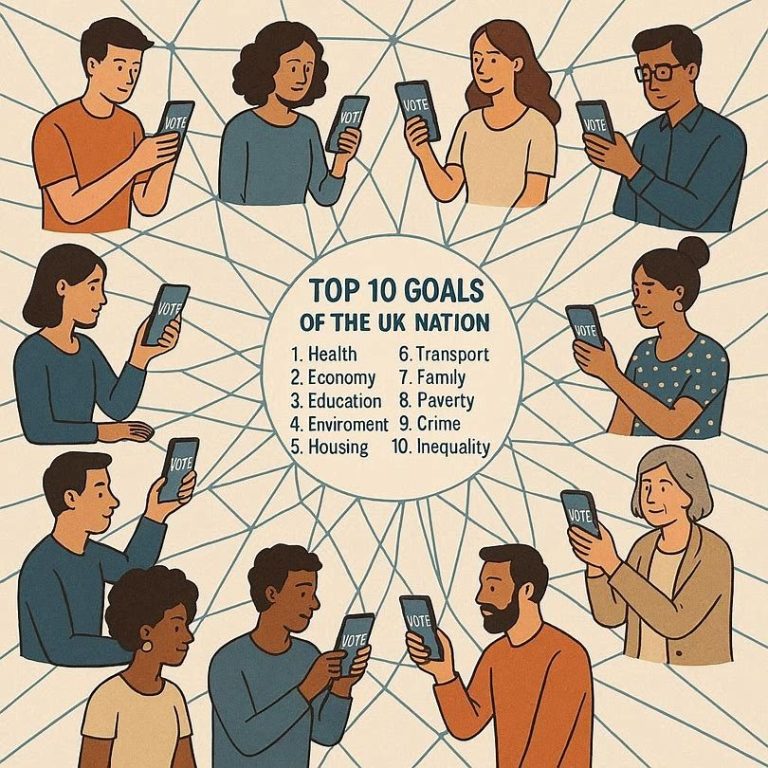
Collecting the people's top 10
How will we collate the will of the people for both long term vision and short term reactions to changes in our world
Step
2
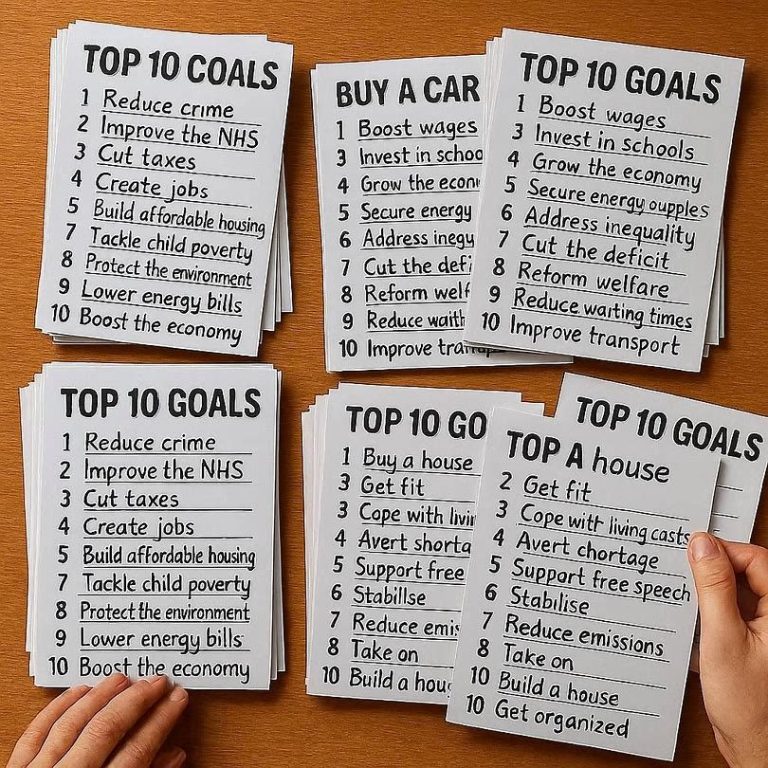
Organising the people's top 10
How exactly do we intend to translate everybody's unique desires and goals for this nation into a collection of unified and coherent goals?
Step
3
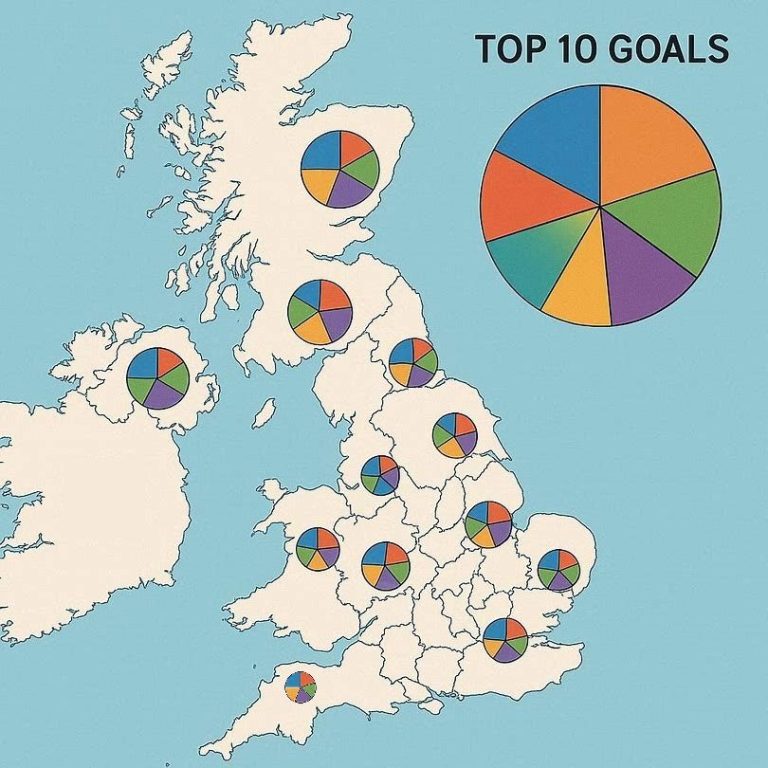
How the Top 10 goals are delivered across every level: local communities, cities, counties, and the entire country
When we all set the top 10 goals, how we split the information can help up create goals for all levels of geographic areas, unifyig the country but also giving each area it's autonomous goals. Here's how:
Step
4
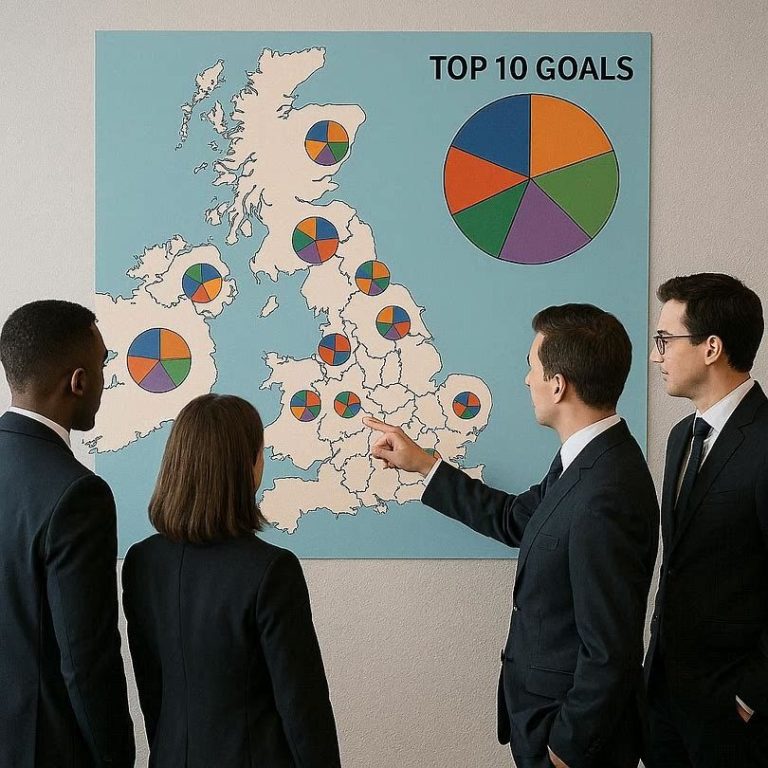
What the Top 10 goals we set are used for?
Once we have all the goals set out, how are they then used?
Step
5
How do we react to unforeseen events affecting the nation?
Not everything that needs attention can be planned, Here is how Direct Democracy empowers the people to react to unforeseen events to ensure the nation is always ready witha clear plan. To note, we don't set how we solve the problem, we set what the end result should be.
Step1
Collecting the people's top 10
Here we will explain:
- How you will physically input your goals
- How the system will collect your goals securely
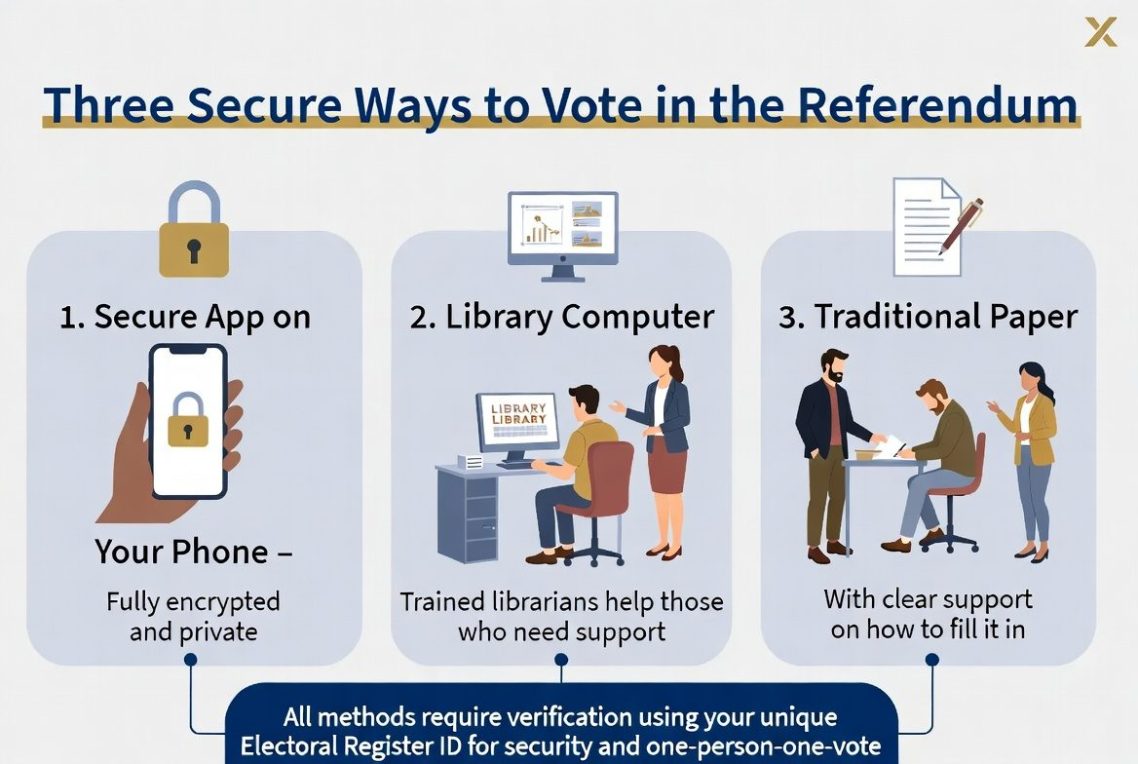
Entering your votes
The first step is inputting your opinions. The three methods we will first set out are:
- App on your phone that's encrypted
- library computer with librarians trained to support those computer illiterate
- traditional paper ballots with support on how to fill in.
All input methods must register using electoral register unique ID.
Core Principles
- Voters choose how they want to participate (flexible input).
- All inputs are mapped to the official taxonomy.
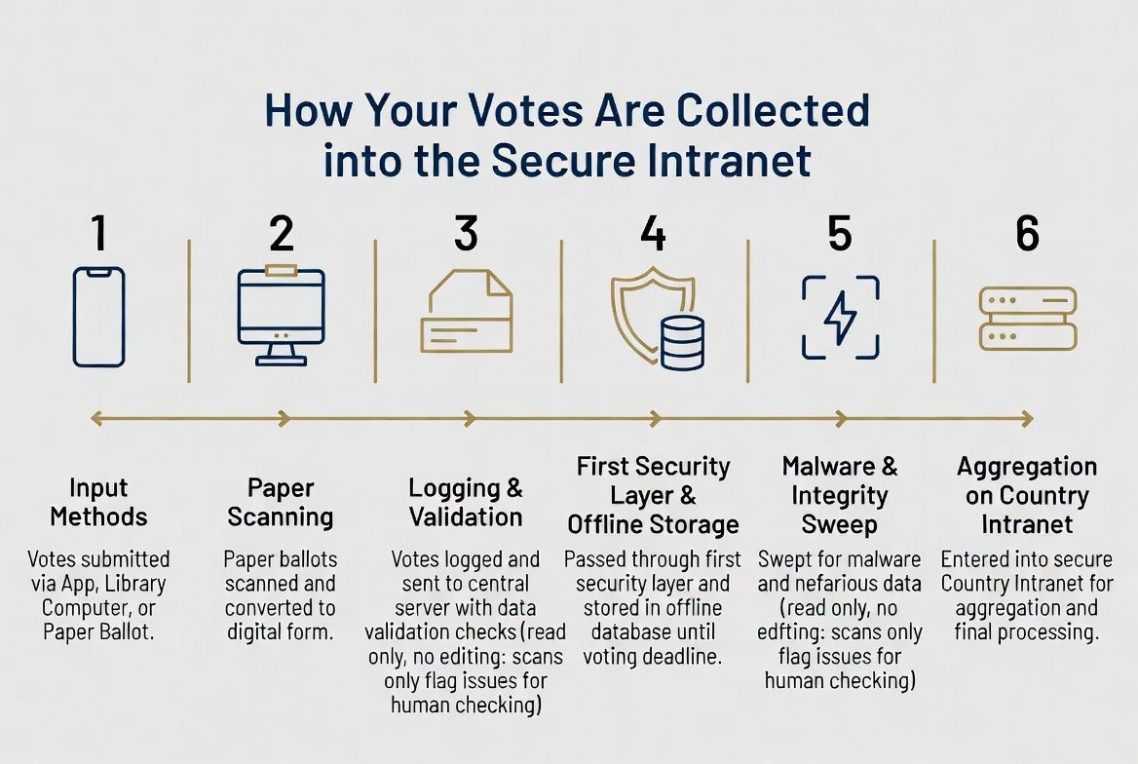
How your votes are collected
Votes are logged and then sent to central server with data validation checks applied, paper copies will be scanned and translated into digital form and all are entered into the central server electronically.
Then sent through first layer of security and into offline database until voting deadline comes or everyone has voted.
Once all collected into offline database, they are then swept for malware and nefarious data.
Then they are entered into the Country intranet where they are then aggregated
Core Principles
- Data validation does not edit data but can only read the data to ensure it's valid and no malware or nefarious attempts to manipulate the data
- There are multiple layers of authentication of data to ensure security of the internal intranet.
Rules
- Authentication
- Two-layer authentication on the UK-wide intranet (electoral roll/ID + 2 factor authentication when entering the intranet).
- AI Verification (only for Options B & C)
- AI Layer 1 – Aggregator: Clusters responses and maps them to taxonomy categories.
- AI Layer 2 – Devil’s Advocate: Independently challenges Layer 1 for errors, bias, or loss of intent.
- AI Layer 3 – Judge: Acts as impartial referee. Reviews both layers and produces concise observations + specific recommendations for human checking.
- Layer 4 – Human Oversight: Humans only review the exact items flagged by the Judge AI.
- Aggregation
- All verified inputs (A + approved B/C) are combined and ranked.
- Final Top 10 National Goals are produced from the highest-scoring taxonomy categories.
- Transparency
- Raw votes remain encrypted and secure within the intranet but accessible to the public.
- Full aggregated results + complete audit trail (all three AI layers + human verification) are published publicly.
- Cycle
- Runs every 5 years or via citizens’ petition (See step 5 for details of setting via citizens’ petition).
Step 2
Organising the people's top 10
Categorising ideas
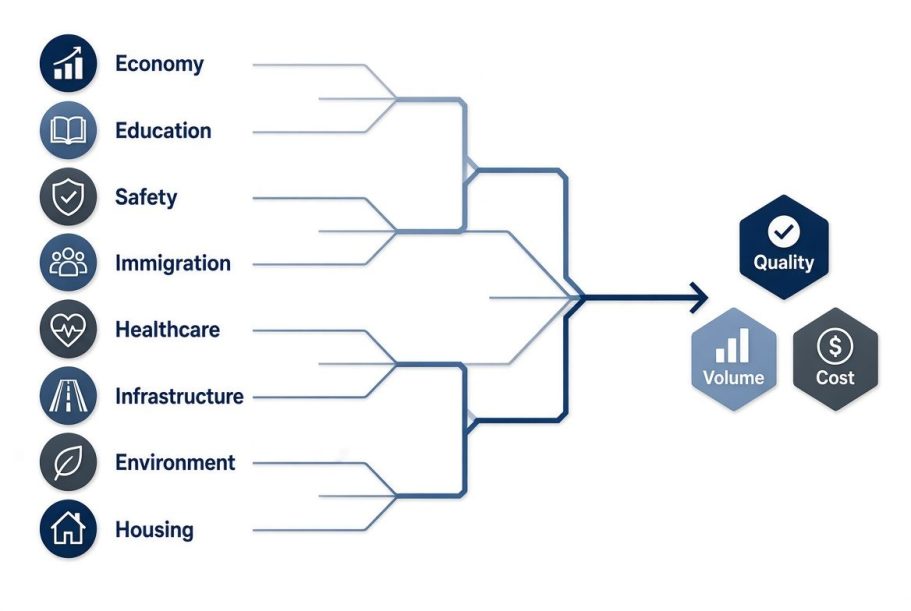
You may be wondering "how do you bring together the unique desires of 70 Million people?!". That's a great question and it's solved by using data categorisation and aggregation techniques so we can ensure the right balance of societies inputs and ease of use.
The best way to aggregate people's desires is to set out a framework where each area of concern can be traced back to some core categories. This way, no matter what we each say, we can ensure they then can be aggregated to a specific topic and therefore counted together.
Think of it like a tree structure (like the KPI tree) where each core area breaks out into further areas and they are, in turn broken out further until you reach each area of concern.
To note, as continuous improvement advocates, we know you cannot cover everything from the start and there will be a section for understanding new areas to consider and we will incorporate a "new addition" section which enables people to enter their new ideas and they will be incorporated into the tree.
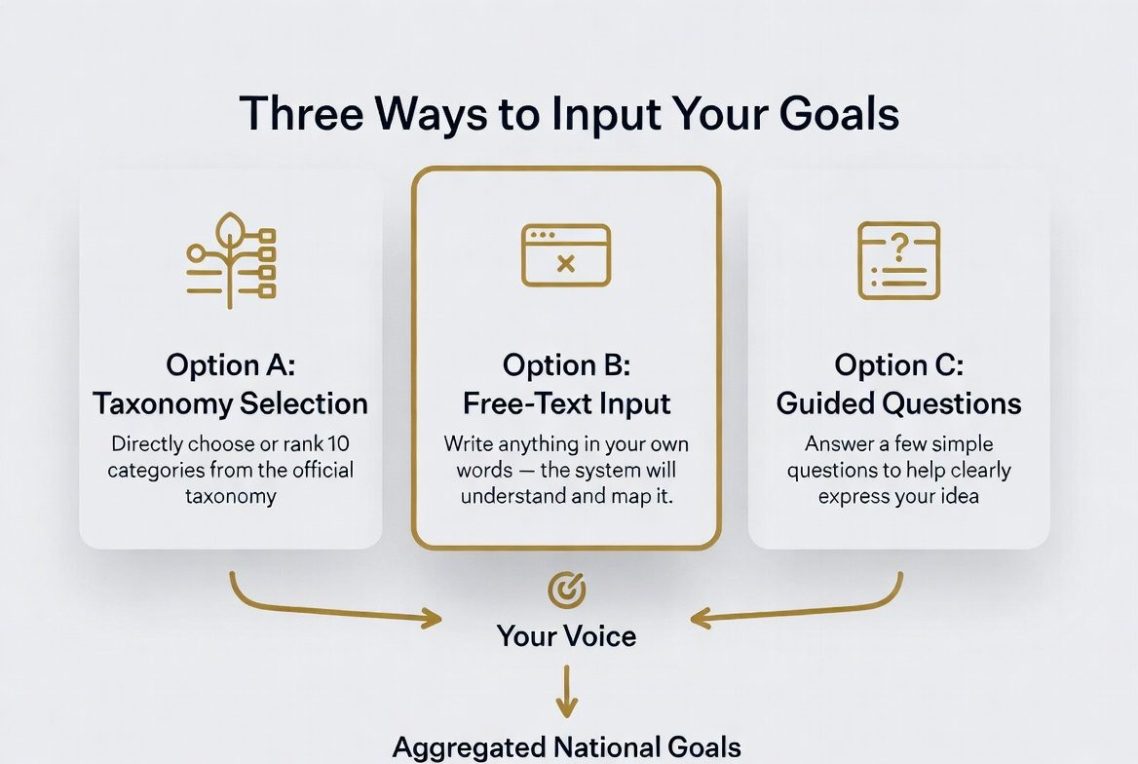
The Three Input Options
- Option A: Direct selection from the taxonomy (choose/rank 10 categories).
- Option B: Free-text box (voters write anything).
- Option C: Guided questions to help formulate their idea.
All goals are set as aims to be achieved at the end of the period in question (10 year goal) with a mid way point review
“Top 10 Goals Referendum”
Complete Step-by-Step Process Flow
- Voter Input Phase (on secure intranet) Voter chooses Option A, B, or C (or any combination). to help them create their top 10 goals.
- Initial Processing
- Option A goes straight to scoring.
- Options B and C go to AI Layer 1 for clustering and mapping.
- Triple AI Verification
- AI Layer 1 produces initial clusters and mappings.
- AI Layer 2 challenges Layer 1.
- AI Layer 3 (Judge) reviews both and outputs concise observations + flags specific areas for human review.
- Human Oversight Humans (House of Lords analysts) review the items recommended by the Judge AI as well as spot checks on random data samples and make final decisions on disputed clusters.
- Final Scoring & Shortlist All verified inputs are combined and ranked into a shortlist of the Top 15–20 proposed goals.
- Public Confirmation Vote Voters review the shortlist and approve, adjust, or reject each proposed goal.
- Final Top 10 Locked In The highest-supported goals become the official National Top 10 Goals.
- Public Release Full results, category percentages, and the complete AI + human audit trail are published on the open website.
Measuring variance of people's opinions
Now that's just the first half, when we are then at the area of interest for the individual's goal, how do we measure the exact nuance of all the disparate inputs?
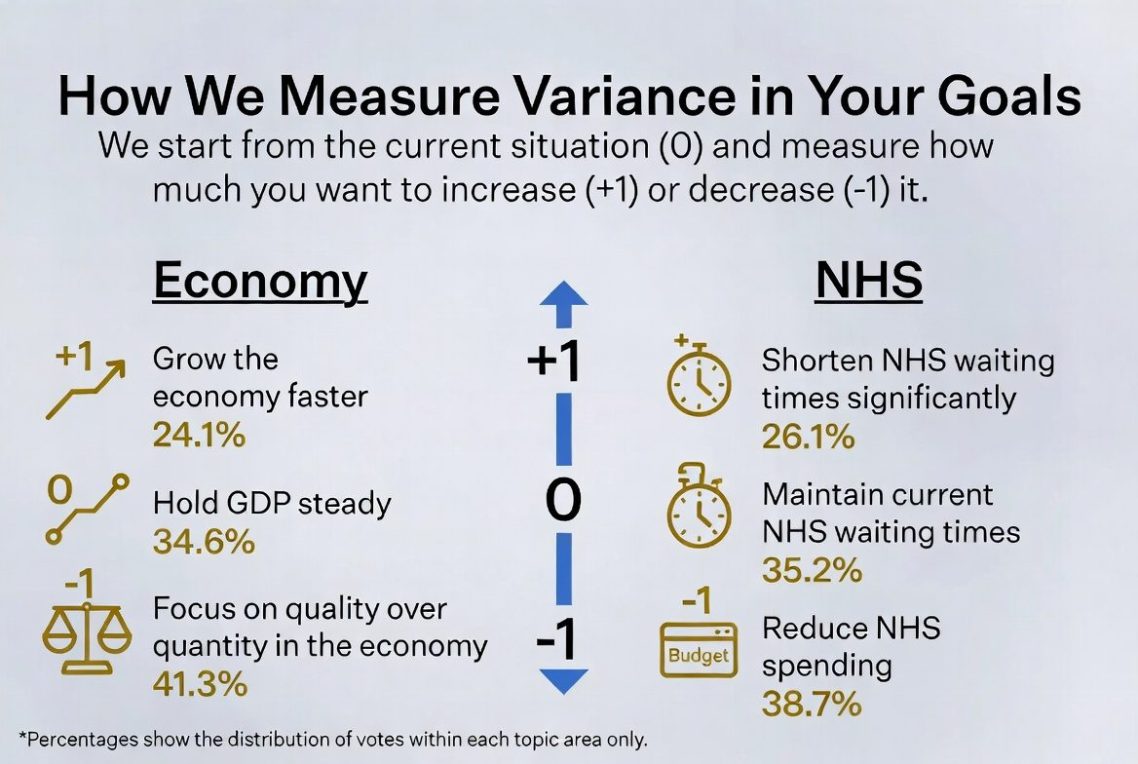
The answer is to baseline the opinion from the current state and set the variation of their input from this baseline based on 3 core areas of change process: Quality, Volume, and Cost.
In none technical terms we set the current situation as the starting point, we then understand their opinion from this current stage and set a measuring scale from that (in both the increase and decrease). This allows us to set a framework around all inputs so no matter what the inputs are, we can measure them and aggregate them so they can be counted all together.
The scaling of deviation from the current state would work as such:
- Keep it steady (0)
- Deviation in a positive/growth/incline manner: (1)
- Deviation in a negative/shrink/decline from the current norm (-1)
Step 3
How the Top 10 goals are delivered across every level: local communities, cities, counties, and the entire country
When you input your goals, the system uses your geographical area (based on your electoral register address) to help allocate your goals to all level of geographical areas: your region and Nationwide. The local elections process will also be modified in this way so that the peple are creating the local goals for your community, city, and county.
This allows the national Top 10 goals to be intelligently broken down and adapted at every level — from your local neighbourhood city, and county, to your region, and the whole country.
The priorities then reflect both national needs and local realities. All your data is protected by two-layer authentication and remains fully secure and private; only the anonymised, aggregated results are made public.
Step 4
What the Top 10 goals we set are used for?
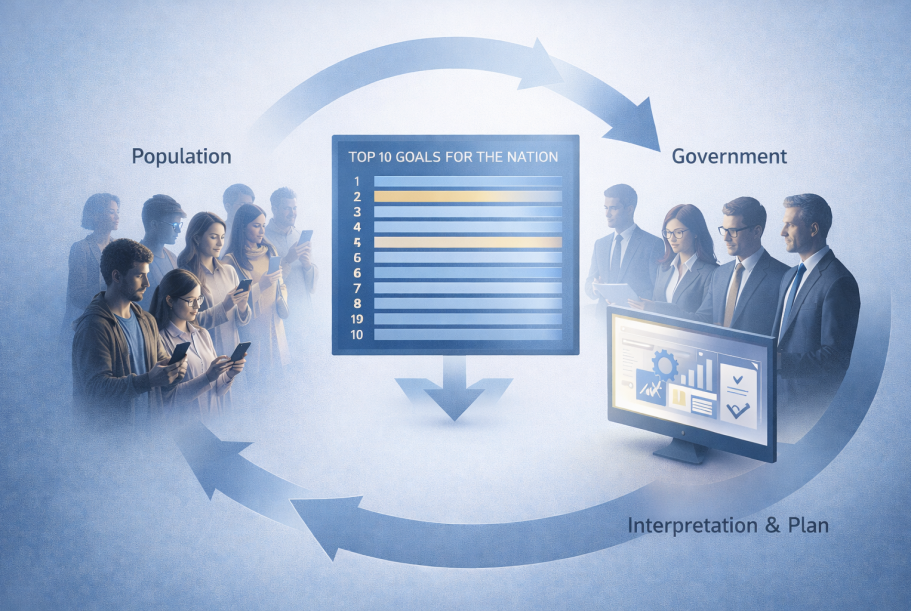
Once the goals are set by the people, it is important to understand how your data is then presented by the House Of Lords.
We have collected data on areas of political interest from the people as well as specific goals. This gives the perfect balance of structure and aggregated demands of the people. It is for the Political parties to then put their interpretation of economics and ruling ethos to suggest in their manifesto's unique solutions on the demands but also includes their method of interpretation of your demands.
Showing how they come to your goals so that you make sure they are following your goals but this also gives you control of the interpretation because we don't want AI making your interpretations of the disparate data of your demands. This give the perfect balance of PRRRA to the people to set the goals but also choose the interpretation of them. It is on the political party to effectively express their analysis and findings to the people.
This still allows each party to deliver through their political beliefs, vision, and unique positions of how to tackle the people's needs.
This gives the people a variety of options based on their own unique stances on how things can be done without forcing them into compromise for their unique beliefs.
TO NOTE: if you feel that all this detail will make it too difficult, what you have to understand is that the accountability is a catalyst to growth and because the results of the outcome are always aligned to the people, they won't need to be frustrated with politicians, it will be on them to actually spend the time to get more involved and we are giving them the best system to do that and so we will shift away from blind consumerism and more towards a consumer productivity where we learn to manage and control more and more of our interactions with our environment.
For example, someone who may currently be labelled as "left wing" can still express their stance without having to agree some issues that they don't fully align with. If they want improved healthcare, they are not then forced to accept excessive welfare support beyond their beliefs because the parties can only make suggestions for the Top 10 goals and any attempts at deviation will be monitored and reported on in real time by the House of Lords analysts.
For example on the "Right wing": Those people who believe that immigration is a problem can vote on this without being forced to accept the gutting of vital services that may be on the agenda of the rich lobbyist so ensuring that their determination for change is not manipulated.
The beauty of all this is that the political parties will say how they will achieve these goals and how it will be paid for, so for example, if we choose to improve healthcare, they will say how they intend to raise that capital which could be through a one off wealth tax which enables people to fully judge the inputs, process, and outputs of this plan.
Another example could be stop excessive spending on war and save money by bringing troops back to the UK to protect the borders and close military bases abroad that will help to reallocate capital on border and immigration control.
The possibilities are endless and only limited by the innovative problem solving in the parties, thus politicians environments are more aligned to encourage creative thinking and not politicking to distract you enough to not achieve what you want. This helps to align PRRRA back to delivery of quality rather than subverting your goals.
Step 5
How do we use this to react to unforeseen events affecting the nation?
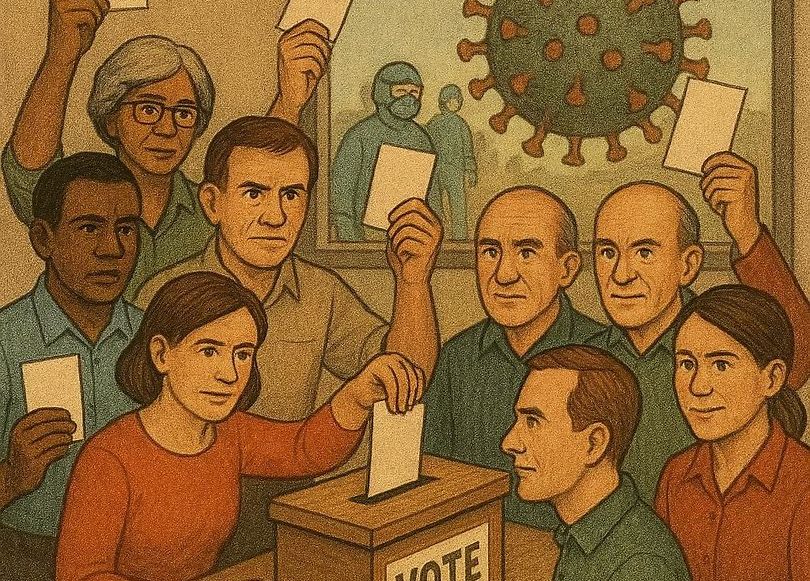
There will always be unforeseen events as the world is ever changing and moving. Below is the process for ground up responsive goal setting to these events.
It will follow much of the process for top down goal setting but with set triggers in place to help know when something needs to be addressed.
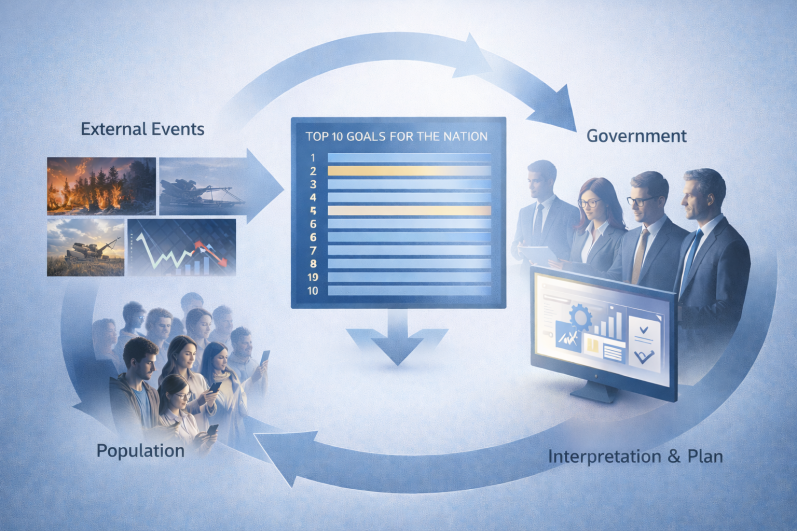
- Trigger Mechanism
- Can be started by:
- A citizens’ petition (minimum 20% of the electorate in given district), or
- Declaration by the government / Parliament in an emergency.
- Once triggered, a dedicated “Emergency Goals” vote is opened.
- Can be started by:
- Input Flexibility
- Voters can use:
- Option A: Select from the existing taxonomy (including the Catch-All / Future Issues sheet).
- Option B: Free-text input (encouraged for new/unforeseen issues).
- Option C: Guided questions (to help frame urgent concerns clearly).
- The system automatically links inputs to the voter’s geographical area (community, city, county, region) so priorities can be broken down locally and nationally.
- Voters can use:
- Security & Authentication
- All voting occurs on the same secure UK-wide intranet with two-layer authentication.
- Data remains fully protected and encrypted.
- Triple AI Checking (Enhanced for Speed & Accuracy)
- AI Layer 1 (Aggregator): Quickly clusters and maps responses.
- AI Layer 2 (Devil’s Advocate): Challenges mappings and flags risks.
- AI Layer 3 (Judge): Reviews both layers and gives concise recommendations for human checking.
- Layer 4 (Human Oversight): Reviews only the areas flagged by the Judge AI.
- Geographical Breakdown
- When you input your goals, the system records your location and automatically adapts the aggregated national goals for every level (your community, city, county, region, and nationwide).
- This ensures both national coordination and local relevance.
- Timeline & Output
- Voting window: 7–14 days maximum.
- Produces a temporary “Emergency goal priority” that run alongside the regular Top 10.
- Goals are reviewed and potentially retired once the crisis has passed.
Step-by-Step Process Flow for Reactionary Voting
- Trigger – Petition or emergency declaration activates the Rapid Response mode.
- Secure Voting Opens – Voters log into the intranet and submit via Option A, B, or C.
- Triple AI Processing
- Layer 1 aggregates and maps inputs.
- Layer 2 challenges the results.
- Layer 3 (Judge) identifies any areas needing human review.
- Human Oversight – Only flagged items are reviewed by a small independent panel.
- Geographical Adaptation – System automatically breaks down the aggregated goals by location (community → city → county → region → nationwide).
- Public Confirmation & Finalisation – Short confirmation vote on the proposed Emergency Priorities.
- Publication – Full results and AI audit reports are published publicly. Politicians must immediately present delivery plans.
The result:
Top 10 goals set by the you
As you can see, this system not only delivers a clear process for collating all people's inputs in a secure and concise way, but also helps to align PRRRA so that the people can give their inputs with minimal effort and drives responsible innovative solutions from the political parties which gives the people the most options of how things will be delivered, ensure the most effective evolution of the nation at the pace the people want.